



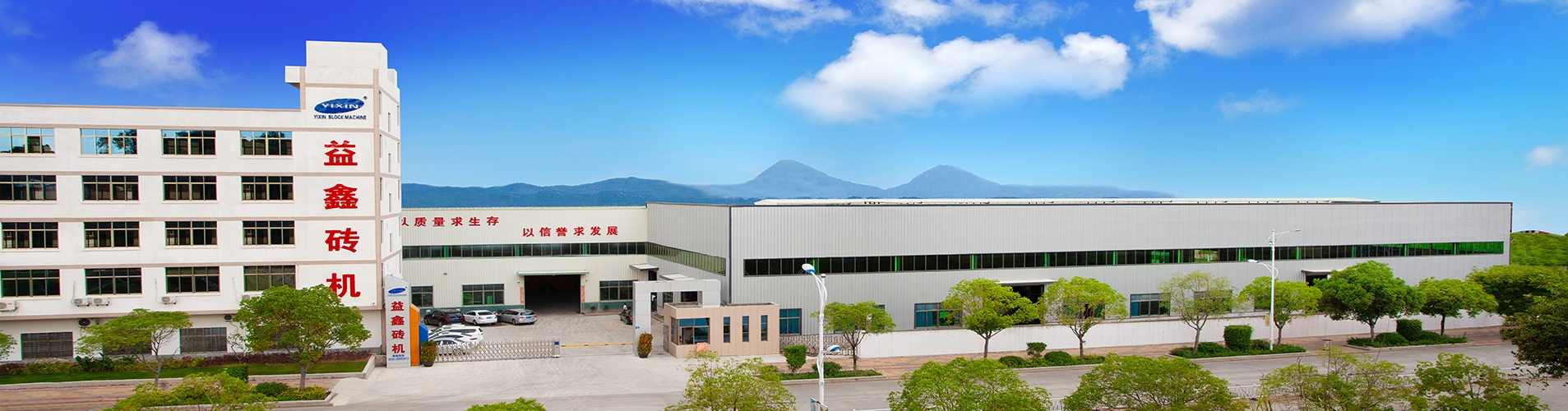
Análise de processos automatizados em linhas de produção de tijolos: agregação de valor desde a matéria-prima até o produto final.
A fabricação moderna de tijolos evoluiu para um processo contínuo de engenharia de materiais, precisamente orquestrado por um CLP (Controlador Lógico Programável). Essa linha de produção não se limita a uma transformação da forma física, mas também representa uma busca e consolidação dos limites de desempenho dos materiais. Das matérias-primas a produtos de construção de alta resistência, cada processo carrega uma missão técnica específica e uma lógica de controle de qualidade rigorosa.
I. Ajuste Preciso: Controle Digital na Fonte da Força
A linha de produção começa com o sistema de alimentação e dosagem de materiais, que é a fonte de garantia da qualidade do produto. Os agregados são dosados continuamente por meio de balanças de correia, enquanto o cimento e o pó são fornecidos com precisão por transportadores helicoidais. Todos os dados são enviados de volta para o sistema. sistema de controle PLC Em tempo real. O principal valor desse processo reside na sua capacidade de correlacionar as propriedades macroscópicas do produto final, como resistência à compressão e durabilidade, com a proporção de cada partícula de matéria-prima em nível microscópico por meio de dosagem digital. Mesmo pequenas variações no processo de dosagem podem ser amplificadas durante as etapas subsequentes de vibração e cura. Portanto, a dosagem de alta precisão é o principal pré-requisito para se obter qualidade consistente.
II. O efeito de "formação de rocha artificial" da vibração e compactação integradas
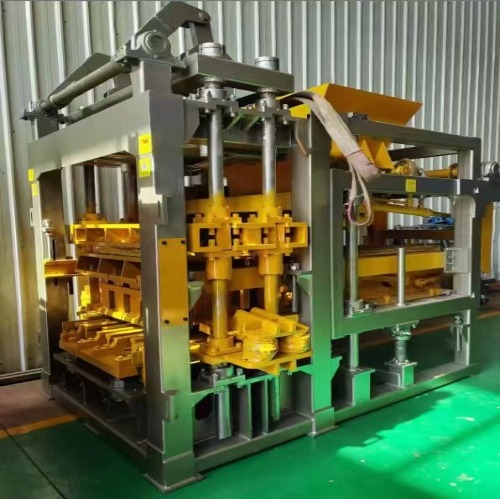
Após o processo de colocação do material, a etapa de compactação por vibração do núcleo inicia um processo de "densificação poderosa". Este processo não é simplesmente uma compressão física, mas simula e acelera os mecanismos mecânicos de formação de rochas na natureza.
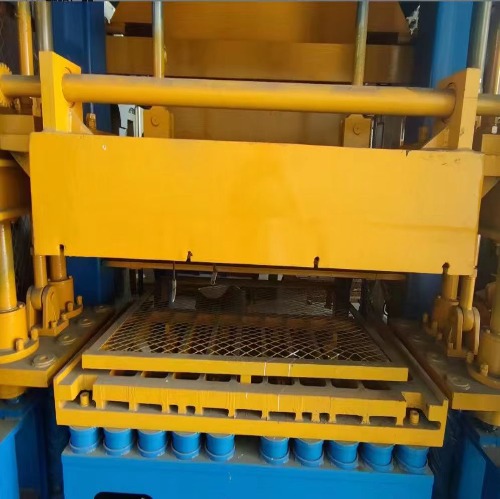
Vibração de alta frequência A vibração (3000-4500 vezes/min) faz com que as partículas da mistura se movam violentamente, superando eficazmente o atrito interno entre elas e expelindo rapidamente o ar aprisionado durante a mistura. A pressão hidráulica subsequente, de 16 a 32 MPa, força as partículas vibradas a atingirem seu estado mais compacto. Esse efeito combinado de "vibração antes da compactação" ou "vibração durante a compactação" pode resultar em uma densidade superior a 98% em concreto seco e endurecido em um curto período de tempo (8 a 15 segundos). A formação de uma pasta superficial é um indicador visual de compactação adequada, sinalizando que os espaços entre os agregados foram completamente preenchidos com partículas finas e pasta de cimento, criando uma base microestrutural sem defeitos para o desenvolvimento posterior da resistência.
III. Desmoldagem e Transporte: Utilização Industrial da Resistência Inicial
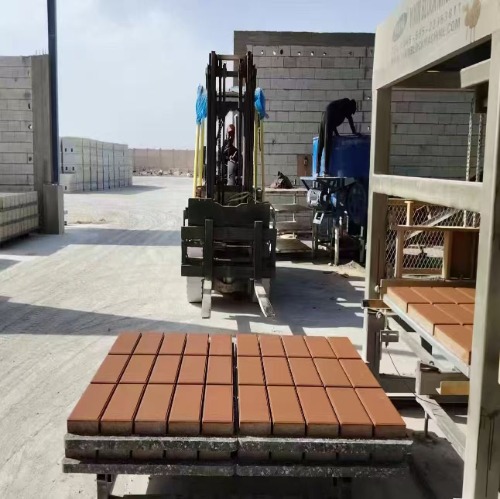
Após a compactação por vibração, os tijolos úmidos apresentam uma resistência inicial de pelo menos 2 MPa, suficiente para suportar a desmoldagem imediata e o manuseio mecânico. Esse indicador é altamente econômico, pois significa que a produção não precisa mais aguardar um longo período de cura natural; a desmoldagem, a circulação de paletes e o empilhamento por transporte podem ser realizados de forma contínua e em alta velocidade na linha de produção. A chave desse processo é a transferência rápida dos tijolos úmidos para a área de cura, liberando recursos dispendiosos de moldes e otimizando o ciclo de produção.
IV. Cura: O Poder Silencioso do Tempo, da Temperatura e da Umidade
Se a compactação por vibração confere aos tijolos um "esqueleto", a cura é a etapa crucial que lhes dá uma "alma". Um período de repouso de 2 a 4 horas permite que os tijolos se adaptem ao ambiente e evitem deformações plásticas, seguido por um período de cura úmida de 7 dias. Durante essa etapa, a reação de hidratação do cimento continua, gerando constantemente novos produtos de hidratação para preencher os poros capilares, permitindo que a resistência do tijolo atinja o padrão de projeto em 28 dias. Garantir uma temperatura ambiente de pelo menos 5°C durante a construção no inverno é crucial para evitar a estagnação da reação de hidratação ou danos causados pelo gelo, assegurando o desenvolvimento contínuo da resistência.
Em resumo, isto é... linha de produção de tijolos altamente automatizada é essencialmente um sistema preciso de reforço de materiais. Através de um processo de três etapas de cálculo de dosagem, moldagem por vibração e controle de temperatura e cura por umidadeO processo de densificação que leva milhões de anos na natureza é realizado em poucas horas, transformando resíduos sólidos industriais ou agregados naturais em materiais estáveis de alta qualidade.materiais de construção modernos e flexíveis.